

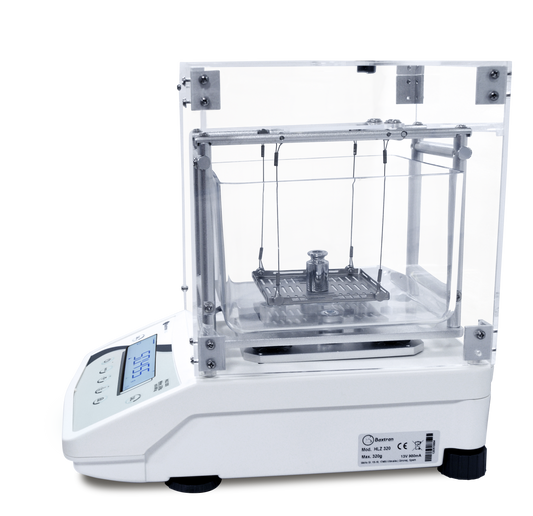
Why the right calibration weight is crucial
Accurate weighing stands or falls with the right calibration weights. Incorrect adjustments can lead to measurement errors, loss of quality, extra costs and even failure to meet legal requirements. By using the right calibration weight and the right accuracy class, you ensure reliable and certified measurements.
What is a calibration weight?
A calibration weight is a calibrated weight used to check, calibrate and adjust scales. It is designed to meet strict international standards such as OIML R111. This way you can be sure your measurements are reliable and traceable.
The different accuracy classes explained
Calibration weights are divided into different accuracy classes. Which class you need depends on the type of scale and the measuring precision you require:
| Accuracy class | Application | Tolerance (1 kg weight) |
|---|---|---|
| E1 / E2 | High-precision laboratories, research facilities | ± 0.5 mg to ± 1 mg |
| F1 / F2 | Precision balances, pharmaceutical applications | ± 5 mg to ± 10 mg |
| M1 / M2 / M3 | Trade scales, industrial applications, education | ± 50 mg to ± 500 mg |
Tip: The more sensitive the scale, the higher the accuracy class of the calibration weight you need.
How to choose the right calibration weight for your scale
Selecting the right calibration weight depends on three factors:
-
Type of scale → analytical, industrial or trade scales.
-
Weighing range and resolution → the smaller the resolution, the more accurate the weight needs to be.
-
Application → laboratories often have stricter requirements than industry.
Common mistakes with calibration weights
Choosing or using the wrong calibration weights can lead to measurement problems. Some common mistakes are:
-
Using an M1 weight for an analytical balance → not accurate enough.
-
Working with uncalibrated or worn weights.
-
Not having periodic recalibration carried out.
How often should you recalibrate calibration weights?
We recommend having your calibration weights recalibrated at least once a year. However, this depends on:
-
How often they are used.
-
The environment (dusty rooms, temperature fluctuations, humidity).
-
Sector requirements (for example the pharmaceutical industry).
At Weighing Experts we arrange recalibration with a traceable certificate, so you always comply with the applicable standards.
Why choose Weighing Experts
At Weighing Experts we combine expertise with high-quality service. We help you with:
-
Tailored advice on the right accuracy class.
-
Calibration and recalibration to international standards.
-
Certified calibration weights for reliable measurements.
That way you are assured of precision, compliance and peace of mind.
Conclusion
Choosing the right calibration weight is essential for reliable measurements and compliance with laws and regulations. By taking the right accuracy class and periodic recalibration into account, you prevent measurement errors and safeguard the quality of your processes.
Call to Action
Not sure which calibration weight is suitable for your scale?
Contact Weighing Experts today for expert advice, certification and reliable calibration.